Most people carry their lives inside their phones. Messages, emails, photos, work apps, and banking details live there. Android becomes a major target for surveillance software as it is a widely used mobile operating system in the world. That raises a question. How does spy software work on Android phones? The answer is fascinating and a little unsettling.
It Starts With Installation
Spy software cannot magically appear on a phone. Someone needs to install it first. This usually happens in one of three ways.
- The first method involves direct physical access to the phone. A person downloads the app, installs it, and grants the permissions it needs. The process can take only a few minutes.
- The second method involves tricking the user into installing a disguised application. The spy app might appear as a system update or utility tool. The hidden monitoring features activate in the background once the user installs it.
- The third method involves exploiting security vulnerabilities. Some advanced spying tools use software exploits to install themselves remotely.
Permissions Give the Software Its Power
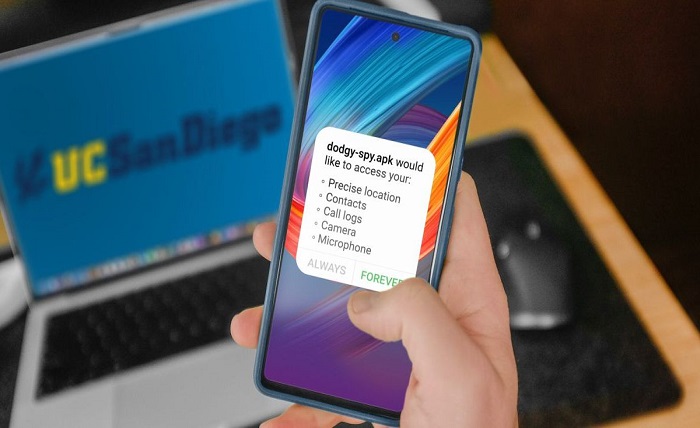
Android protects data through permissions. Apps must request access to features like the microphone and camera. Spy software exploits this system. The software requests permissions during installation. These permissions allow it to read messages, track GPS locations, and access call logs. The app gains access to the device if the installer approves these requests.
Many surveillance apps also request accessibility permissions. This Android feature helps people with disabilities. However, it can also allow apps to observe everything happening on the screen. The software can quietly observe almost everything a user does with these permissions in place.
Background Monitoring Happens Constantly
The app runs in the background after setup. It does not appear like a normal app and hides its icon to avoid detection. The software begins collecting information from that point forward. It can log incoming and outgoing calls. It can copy SMS messages. Some versions capture conversations from messaging apps like WhatsApp or Telegram by monitoring notifications or screen activity.
Location tracking also plays a big role. The software regularly records GPS coordinates and builds a timeline of the phone’s movements throughout the day. Some advanced programs activate the microphone or camera remotely. That feature allows the person controlling the software to listen to surrounding conversations or view the phone’s environment.
Some Tools Target Workplace Monitoring
Not every monitoring tool exists for malicious purposes. Some organizations install surveillance software on company-owned devices. Businesses use these systems for employee monitoring when staff members work remotely or use company phones outside the office. The goal is to track activity patterns rather than private conversations. Managers can analyze productivity data like browsing behavior and working hours. These insights help companies understand how employees use their time during the workday.
Awareness Is the Best Protection
The world of digital surveillance continues to evolve. Monitoring software also becomes advanced as Android devices grow. Modern spying tools can track behaviour. It can also gather communication records and map daily movements with accuracy. Understanding how these systems work helps people protect their privacy and decide better about the apps they install.